

What is Applied Behaviour Analysis (ABA)?
An evidence-based approach to help autistic children ‘learn how to learn’
Applied Behaviour Analysis (ABA) is the science of behaviour and learning. It’s an evidence-based approach to learning that has been shown to be beneficial for many individuals on the autism spectrum.
At its core, ABA programs focus on breaking down complex skills into smaller steps so that they can be taught more easily. It involves providing children with repeat opportunities to practice the new skills and positive reinforcement. Behaviour Analysts observe the child and develop specific programs to help them reach goals and milestones.
Watch the video below to learn more about ABA and our approach to ABA – hear from Karen McKinnon, Autism Partnership’s Director of Clinical Services and Kathleen Franks, Head of Research & Curriculum Development.
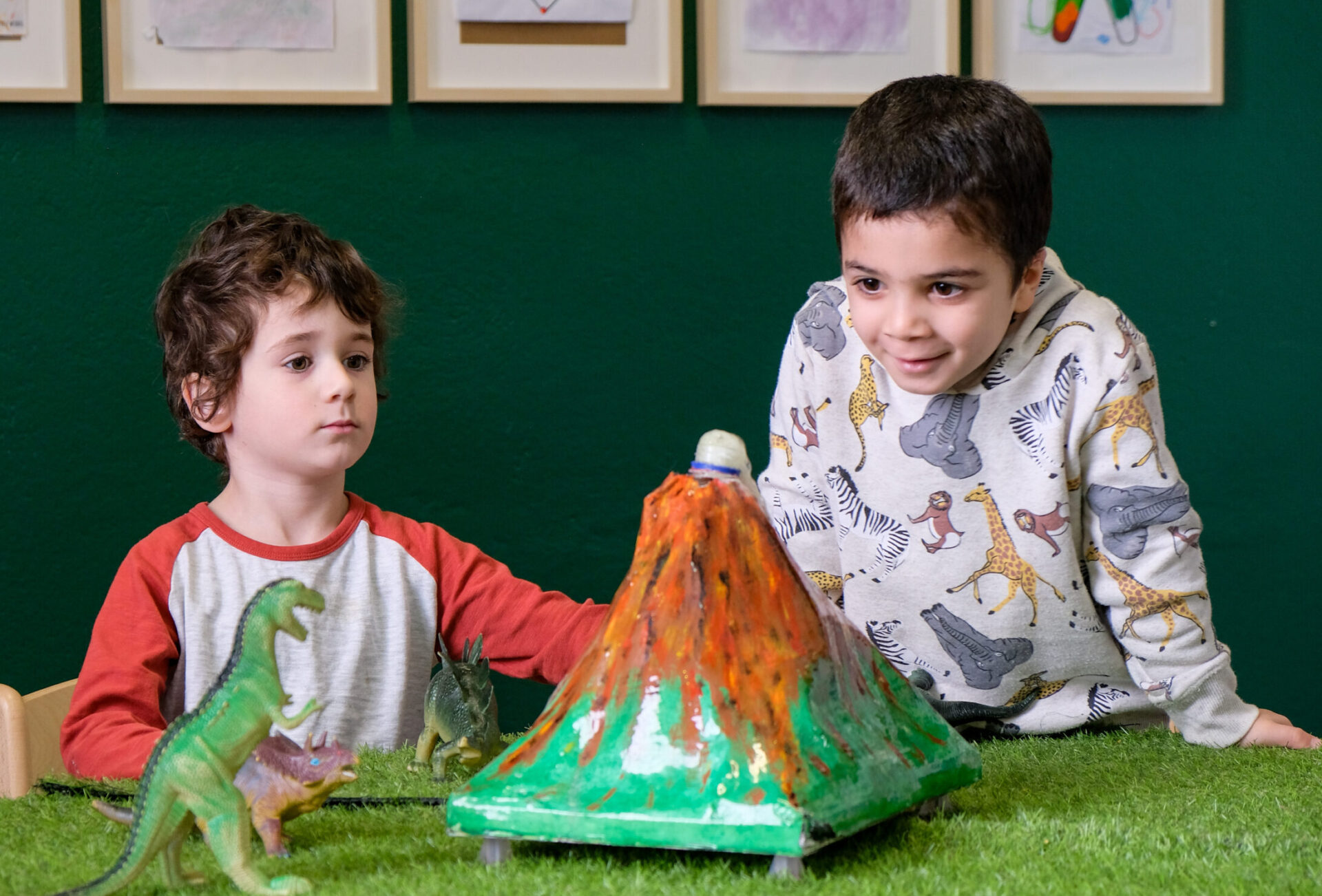

Our approach to ABA
There are a variety of styles and approaches to ABA. At Autism Partnership, we are known for our progressive, flexible and dynamic style. You’ll see this reflected in our deep analysis and problem solving, our sophisticated behavioural techniques, and our constant quest to know all we can about how to help a child learn.
Responsive and fun – We don’t believe in rigid protocols. Our teaching style is flexible, motivating and fun and is designed to get your child excited about learning. Our skilled staff use their clinical judgement to select and implement the most appropriate strategies to meet your child’s needs at all times.
Individualised programs – No two children are exactly alike, so no two therapeutic programs should be the same either. Our team will work with you to develop a personalised curriculum for your child that evolves as your child develops.
Naturalistic style – Our style of therapy is as natural as possible, so it resembles everyday life. However, we recognise that some children need additional structure to maximise their learning. So, we work on a continuum from naturalistic therapy which is embedded in daily routines, through to more structured support for those children who need it. We move along this scale depending on your child’s needs, while balancing the desire to emulate real-life settings.
Recommended
Subscribe to our newsletter
For information about our FREE parent talks, handy resources and all our latest news.